
STEEL MAKING
Steel Making in an Integrated Steel Plant
Introduction
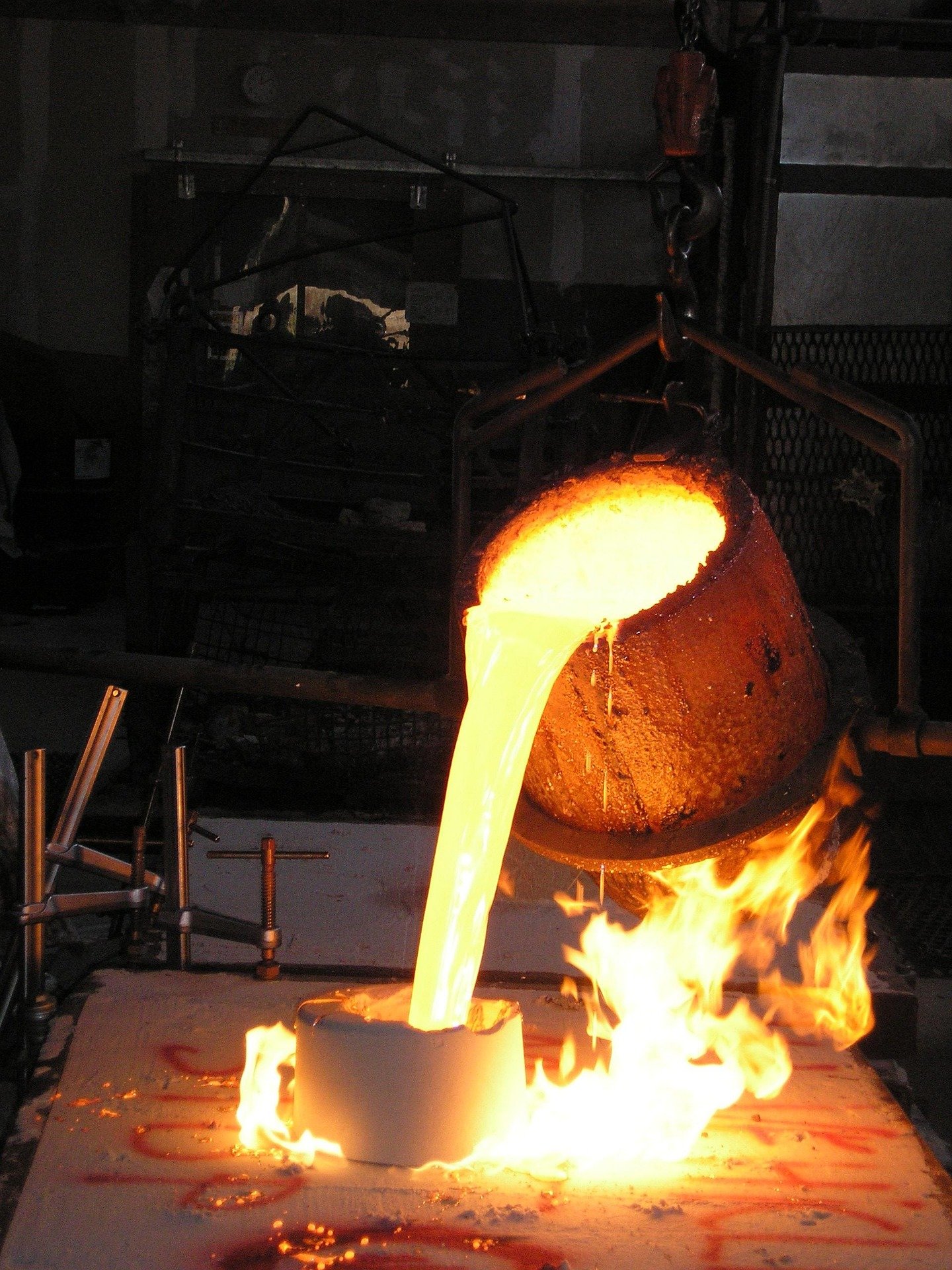
Steel making is the process of converting hot metal, scrap and other metallic inputs into liquid steel of the required chemical composition and quality. The liquid steel is subsequently treated and continuously cast into semi-finished products such as slabs, blooms or billets.
Steel making generally consists of primary steel making, secondary metallurgy and continuous casting, supported by material handling, alloy addition, gas, cooling, refractory and other auxiliary systems.
The main objectives are to:
- Convert hot metal and/or scrap into steel.
- Reduce unwanted elements and impurities.
- Achieve the required chemical composition.
- Control steel temperature.
- Add alloying materials as required.
- Produce clean steel of the required quality.
- Cast steel into suitable semi-finished products.
- Maintain consistent quality and productivity.
Raw Material and Metallic Charge Handling
The steel-making process receives metallic inputs such as:
- Hot metal
- Steel scrap
- Direct reduced iron, where applicable
- Ferroalloys
- Fluxes
- Deoxidizers
- Other alloying and additive materials
Typical operations include:
Receipt & Storage
↓
Material Preparation
↓
Weighing / Batching
↓
Charging
↓
Primary Steel Making
Basic Oxygen Furnace
In the BOF route, hot metal is converted into steel through oxygen blowing.
Typical sequence:
Hot Metal & Scrap Charging
↓
Flux Addition
↓
Oxygen Blowing
↓
Carbon Oxidation
↓
Removal of Impurities
↓
Slag Formation
↓
Temperature & Chemistry Check
↓
Tapping of Liquid Steel
The resulting liquid steel is transferred to secondary metallurgy for further treatment.
Secondary Metallurgy
Secondary refining is essential for achieving the chemical composition, cleanliness, and temperature control required for premium steel grades.
- Ladle Refining Furnace (LRF)
- Vacuum Degassing (VD) and RH Degassing
- Argon stirring systems
- Alloy and ferroalloy addition systems
- Ladle heating practices
- Inclusion control
- Temperature and chemistry optimisation
- Process control systems
- Equipment maintenance
Continuous Casting Machine (CCM)
Continuous Casting is a critical process where molten steel is transformed into slabs, billets, or blooms. Stable casting operations are essential for maximising productivity and ensuring superior product quality.
This includes:
- Continuous Casting Machine operation
- Tundish preparation and maintenance
- Mould cooling systems
- Secondary cooling systems
- Strand guidance and withdrawal systems
- Cutting and product handling systems
- Mould oscillation systems
- Breakout prevention systems
- Mechanical, Electrical & Instrumentation maintenance
- Process optimisation and quality improvement
- Shutdown planning and equipment modernisation
Steel Handling and Auxiliary Systems
The steel-making area is supported by:
- Ladle handling
- Crane systems
- Alloy handling
- Flux handling
- Refractory systems
- Cooling water systems
- Dust and fume extraction
- Gas systems
- Slag handling
- Casting machine auxiliaries
- Hydraulic systems
- Electrical and automation systems
Conclusion
Steel making integrates primary steel production, secondary refining and continuous casting to transform hot metal and/or metallic charge materials into semi-finished steel products.
The complete process requires close coordination between steel-making furnaces, refining facilities, casting equipment, material handling systems, utilities, electrical systems and automation.